
{{service}} for {{industry}} in {{micro_location}}, {{city}} Driving ROI for {{industry}} near {{landmark}} through data-driven digital growth. As a seasoned Digital Marketing Strategist, I have observed that the business landscape in {{city}} has shifted dramatically. For {{industry}} located in the vibrant {{micro_location}} area, simply having a website is no longer enough. To capture high-intent leads near {{landmark}}, you need a strategy that understands the local nuances of {{city}} while leveraging global marketing standards. In {{micro_location}}, the challenge isn’t just competition; it’s noise. Your potential clients are bombarded with options. My approach to {{service}} ensures that your brand stands out by addressing the specific {{industry_trend}} currently taking over the market. Eliminating {{pain_point}} Many {{industry}} professionals I speak with in {{city}} report the same frustration: {{pain_point}}. This isn’t just a minor hurdle; it’s a growth killer. When your {{service}} is misaligned with the local {{micro_location}} market, you waste budget and lose time. The root cause is often a {{competitor_gap}}. While your competitors might be bidding on broad keywords, they are likely ignoring the hyperlocal intent of users specifically searching near {{landmark}}. By filling this gap, we position your business as the primary solution for {{industry}} needs in this part of {{city}}. A Strategic Roadmap for {{service_benefit}} To achieve {{service_benefit}}, we implement a multi-layered framework. This isn’t a one-size-fits-all checklist. Instead, we tailor every campaign to the specific search behavior of people in {{micro_location}}. 1. Hyper-Local Dominance We don’t just target {{city}}. We target the streets around {{landmark}}. We optimize your digital presence so that when someone in {{micro_location}} looks for a specialist, your name is the first they see. This includes optimizing for “near me” intent and local directory synchronization. 2. Leveraging the {{industry_trend}} The {{industry_trend}} is changing how {{industry}} operates. Whether it’s the integration of AI-driven customer service or the shift toward short-form video content, my role as your strategist is to ensure your business in {{city}} is an early adopter, not a latecomer. 3. Data-Backed Performance Every decision we make—from the color of a CTA button to the micro-targeting of a Facebook ad—is fueled by data. We solve {{pain_point}} by analyzing user heatmaps, conversion paths, and competitor weaknesses in the {{micro_location}} sector. Why My Digital Strategy Works Over the years, I have refined a process that combines Performance Marketing, SEO Audits, and Marketing Automation into a single, cohesive engine. For a business in {{city}}, this means: ✔️ Strategic Lead Funnels: We don’t just drive traffic; we build journeys that turn clicks into clients. ✔️ AI & Automation: We use cutting-edge AI services to qualify leads 24/7, reducing your manual workload. ✔️ Technical Excellence: Our Website Development focus ensures your site is lightning-fast, mobile-responsive, and optimized for {{city}}’s varying network speeds. The {{micro_location}} Advantage Being located near {{landmark}} gives you a unique geographic advantage. My strategy leverages this proximity to build trust. When users see that you are an expert for {{industry}} in their specific neighborhood of {{city}}, the “trust barrier” drops significantly. We capitalize on this through localized Schema markup and Google Business Profile optimization that highlights your {{micro_location}} roots. Ready to Achieve {{service_benefit}}? Don’t let {{pain_point}} hold your business back any longer. Let’s dominate the {{micro_location}} market together. Book a Strategy Call View All Services Serving {{industry}} across {{city}}: {{micro_location}}, Bangalore, Chennai, Mumbai, & Delhi.
7 Steps to Build a Successful Marketing Strategy
A strong marketing strategy A strong marketing strategy is essential for any business that wants to grow and stay competitive. A marketing strategy helps businesses understand their customers, promote their products effectively, and achieve long-term goals. Without a clear strategy, marketing efforts can become unorganized and may not produce the desired results. In today’s digital world, businesses have many marketing channels such as search engines, social media, email marketing, and paid advertising. A successful marketing strategy helps companies decide how to use these channels in the most effective way to reach their audience. seven simple steps that businesses can follow to build a successful marketing strategy. 1. Set Clear Marketing Goals The first step in building a marketing strategy is defining clear and realistic goals. Marketing goals give direction to your campaigns and help you measure success. Some common marketing goals include increasing website traffic, generating more leads, improving brand awareness, or boosting sales. Clear goals help businesses focus on specific outcomes rather than random marketing activities. For example, instead of setting a vague goal like “grow the business,” you can set a measurable goal such as increase website traffic by 30% in six months or generate 100 new leads every month. When goals are specific and measurable, it becomes easier to track progress and improve results. 2. Understand Your Target Audience A successful marketing strategy always focuses on the right audience. Businesses need to know who their ideal customers are and what they are looking for. Understanding your audience includes studying factors such as age, location, interests, behavior, and purchasing habits. When businesses know their audience well, they can create marketing messages that connect with customers. For example, a business targeting young consumers may focus on social media platforms like Instagram, while companies targeting professionals may use LinkedIn marketing. Knowing your target audience helps businesses create personalized campaigns that attract the right people and improve customer engagement. 3. Conduct Market Research Market research is an important step in developing a successful marketing strategy. It helps businesses understand the market, industry trends, and customer needs. Through market research, businesses can identify opportunities and challenges in their industry. It also helps companies learn what customers expect from products or services. Market research can include analyzing customer feedback, reviewing industry reports, and studying market trends. This information helps businesses make better marketing decisions and create strategies that match customer expectations. Businesses that invest time in market research are more likely to build effective and successful marketing campaigns. 4. Analyze Your Competitors Understanding competitors is another key step in building a marketing strategy. Competitor analysis helps businesses learn how other companies promote their products and reach customers. By studying competitors, businesses can identify successful marketing tactics and areas where they can improve. This may include analyzing competitors’ websites, social media activities, advertising strategies, and content marketing efforts. The goal is not to copy competitors but to learn from their strengths and weaknesses. Businesses can then create unique marketing approaches that stand out in the market. A strong competitive analysis helps companies develop better strategies and gain a competitive advantage. 5. Choose the Right Marketing Channels Once businesses understand their audience and competitors, the next step is selecting the right marketing channels. Marketing channels are platforms used to promote products and connect with customers. Some popular marketing channels include: Search Engine Optimization (SEO) Social Media Marketing Content Marketing Email Marketing Paid Advertising Each channel has different advantages. For example, SEO helps businesses attract organic traffic from search engines, while social media marketing helps increase brand awareness and engagement. Choosing the right channels ensures that businesses reach customers where they are most active. 6. Create a Content and Campaign Plan Content is a powerful tool in digital marketing. A successful marketing strategy includes a clear content plan that helps businesses communicate with their audience consistently. Content can include blog posts, videos, social media posts, infographics, and email newsletters. Each piece of content should provide useful information or solve a problem for the audience. For example, educational blog posts can help improve search engine rankings, while engaging social media content can increase brand visibility and interaction. A well-planned campaign schedule ensures that marketing activities remain organized and consistent. Consistency helps businesses build trust and maintain strong relationships with their customers. 7. Track Performance and Improve The final step in building a successful marketing strategy is tracking results. Businesses need to monitor their marketing performance to understand what works and what needs improvement. Key performance metrics may include website traffic, conversion rates, engagement rates, and return on investment. Marketing analytics tools can help businesses track these metrics and evaluate campaign performance. By analyzing data, businesses can make smarter decisions and optimize their marketing strategies. Marketing is not a one-time process; it requires continuous improvement and adaptation. Companies that regularly review their marketing results can stay ahead of competitors and achieve long-term success. Conclusion Building a successful marketing strategy requires careful planning and consistent effort. Businesses must focus on understanding their audience, choosing the right channels, and creating valuable content that attracts customers. By following these seven steps—setting clear goals, understanding the audience, conducting market research, analyzing competitors, selecting marketing channels, creating a content plan, and tracking performance—businesses can develop a strong marketing strategy that drives growth and long-term success. In today’s competitive digital environment, companies that invest in a well-structured marketing strategy are more likely to attract customers, build brand recognition, and achieve sustainable business growth.

Digital Marketing
In today’s competitive world, building a strong brand is more important than ever. A brand is not just a logo or a color scheme. It is the identity of your business. It represents your values, your voice, and the promise you make to your customers. Digital marketing has become the most powerful tool for building and growing brands. With the right strategy, businesses can create awareness, build trust, and develop long-term customer relationships. Below are five key pillars of building brands through digital marketing. 1. Creating a Strong Online Presence A brand cannot grow if people cannot find it. The first step in brand building is visibility. A professional website is the foundation of your online presence. It should clearly communicate who you are, what you offer, and why customers should choose you. Your website must be fast, mobile-friendly, and easy to navigate. Search Engine Optimization (SEO) also plays a major role. When your website appears in search results, more people discover your brand. Consistent blogging, keyword optimization, and technical improvements increase visibility over time. In addition to your website, social media platforms strengthen your presence. Being active on platforms where your audience spends time makes your brand more accessible and relatable. Consistency across all digital channels builds recognition. When people repeatedly see your brand online, it becomes familiar. Familiarity creates trust. 2. Developing a Clear Brand Voice and Identity Strong brands have a clear personality. They communicate in a consistent tone and style. Your brand voice may be professional, friendly, bold, or inspirational. Whatever you choose, it must remain consistent across your website, social media, emails, and advertisements. Visual identity is equally important. Colors, fonts, logo design, and imagery should align with your brand message. Consistent visuals make your brand memorable. Digital marketing allows you to express your brand identity clearly. Every blog post, caption, and campaign reflects who you are. When customers understand your values and message, they connect emotionally. Emotional connection strengthens brand loyalty. A clear identity differentiates your brand from competitors. 3. Building Trust Through Valuable Content Trust is the foundation of every strong brand. Without trust, customers will not engage or purchase. Content marketing helps establish authority and credibility. When you share useful blog posts, guides, videos, or insights, you position your brand as an expert. Educational content answers customer questions. It solves problems. It provides value without immediately asking for a sale. Case studies and testimonials also strengthen trust. Showing real results proves that your brand delivers on its promises. Transparency in communication is important. Honest messaging builds long-term credibility. Over time, consistent valuable content builds a reputation. A trusted brand naturally attracts loyal customers. 4. Engaging and Connecting with Your Audience Digital marketing is not one-way communication. It allows direct interaction with customers. Social media platforms enable conversations. Responding to comments and messages shows that your brand cares. Engagement builds relationships. Polls, Q&A sessions, live videos, and interactive posts encourage participation. Email marketing also strengthens connections. Personalized emails make customers feel valued. Regular updates keep your brand top of mind. Listening to feedback is equally important. When customers feel heard, they develop stronger loyalty. Strong brands do not only sell. They build communities. Community-driven brands grow faster and maintain long-term success. 5. Using Data to Strengthen Brand Strategy One of the greatest advantages of digital marketing is measurable results. Analytics tools provide insights into customer behavior. You can track website traffic, engagement rates, conversions, and campaign performance. This data helps you understand what works and what needs improvement. If certain content performs well, you can create similar content. If a campaign underperforms, you can adjust your approach. Data-driven decisions make branding more strategic and effective. Digital marketing also allows targeted advertising. You can reach specific audiences based on age, location, interests, and behavior. Precise targeting increases efficiency. It ensures your brand message reaches the right people. Continuous improvement based on data strengthens brand positioning over time. Final Thoughts Building a brand is a long-term process. It requires clarity, consistency, and strategy. Digital marketing provides the tools to create awareness, communicate identity, build trust, and maintain engagement. To build a strong brand through digital marketing: Establish a professional online presence Maintain a consistent voice and identity Provide valuable and trustworthy content Engage actively with your audience Use data to improve and refine your strategy Brand building is not about quick results. It is about creating lasting impressions. In the digital age, customers research before they buy. They compare options. They read reviews. They follow brands online before making decisions. Businesses that invest in digital marketing build stronger visibility and credibility. Over time, this leads to loyalty, advocacy, and sustainable growth. A powerful brand is not built overnight. But with the right digital marketing strategy, it can be built effectively and strengthened continuously. In a world driven by technology, brands that adapt, connect, and deliver value will always stand out. Digital marketing is not just a promotional tool. It is the foundation of modern brand building. 🚀
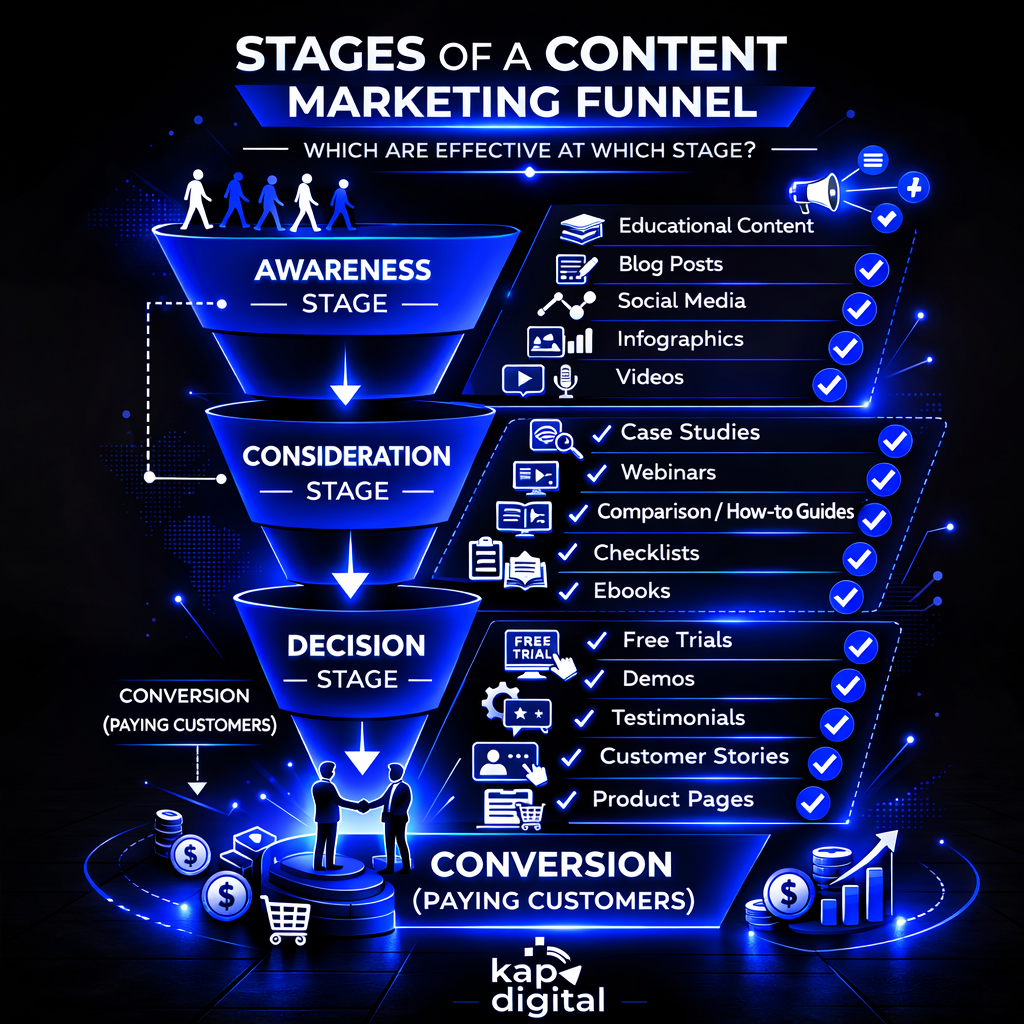
Content Marketing Strategies That Actually Convert
Content marketing is everywhere today. Brands post daily. Blogs, videos, emails, and social media updates are constant. But not all content brings results. Some content gets likes but no sales. Some gets traffic but no leads. The real goal of content marketing is conversion. Conversion means turning visitors into subscribers. Subscribers into leads. Leads into customers. To achieve that, you need the right strategy. Below are five content marketing strategies that actually convert. 1. Create Content That Solves Real Problems Good content starts with understanding your audience. If you want conversions, solve real problems. People search online for answers. They want solutions. They want clarity. If your content helps them, they will trust you. First, identify: What questions they ask What challenges they face What goals they have Then create focused content. Be specific. Instead of writing general tips, write clear and practical guides. When readers feel understood, they stay longer. When they get value, they take action. Helpful content builds trust. Trust increases conversions. 2. Focus on Quality Over Quantity Posting daily does not guarantee success. Quality matters more than quantity. One strong blog post is better than many average ones. High-converting content is: Clear Simple Practical Well-structured Avoid complicated language. Keep sentences short. Make ideas easy to understand. Use headings and small paragraphs. This improves readability. It keeps visitors engaged. When content is easy to read, people finish it. When they finish it, they are more likely to convert. Professional content builds credibility. 3. Use Clear and Strong Calls-to-Action (CTA) Even great content needs direction. Readers must know what to do next. A Call-to-Action tells them clearly. Examples: Download the guide Book a free call Subscribe now Start today Your CTA should match your content. If you wrote about SEO, offer a free SEO audit. If you wrote about social media, offer a strategy session. Place CTAs at the end. You can also place them in the middle of long content. Clear direction increases action. Action increases conversions. 4. Build Trust with Stories and Proof People buy from brands they trust. Storytelling builds connection. Stories feel real. They are easy to remember. Share: Client success stories Case studies Real results Testimonials Instead of saying “We increase sales,” show how you helped someone grow by 40%. Social proof reduces doubt. It increases confidence. When people trust you, they choose you. Trust is a powerful conversion tool. 5. Optimize for Search and User Experience Great content must be easy to find. Use SEO properly. Add relevant keywords naturally. Use them in titles and headings. Do not overuse keywords. Focus on value first. Also, improve user experience. Make sure your website: Loads fast Works on mobile Is easy to navigate Looks clean If visitors feel confused, they leave quickly. Guide readers with internal links. Keep them exploring your website. A smooth experience increases conversions. Final Thoughts Content marketing is not about random posting. It is about strategy. To create content that converts: Solve real problems Focus on quality Use clear CTAs Build trust Optimize properly Attention is easy to get. Conversions are harder. Create content with purpose. Provide real value. Guide your readers clearly. When content connects, it converts. 🚀
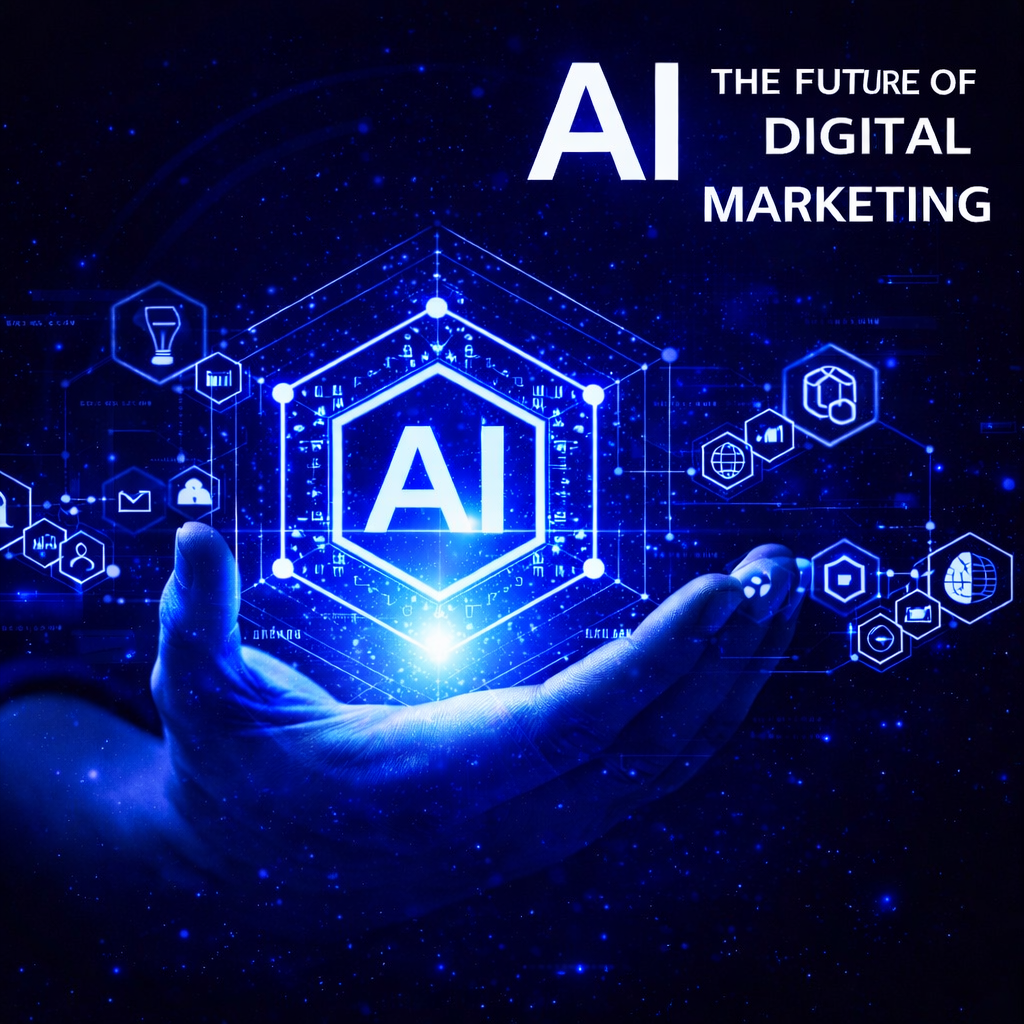
🤖 AI in Digital Marketing: How Artificial Intelligence Is Transforming Business Growth in 2026
Artificial Intelligence (AI) is no longer a futuristic concept. It is already changing the way businesses operate, communicate, and grow. In 2026, AI has become one of the most powerful tools in digital marketing. From personalized advertisements to automated customer support, AI is helping businesses reach the right audience faster and more effectively than ever before. Digital marketing used to depend heavily on manual effort — creating campaigns, analyzing data, testing ads, and responding to customers. Today, AI makes these processes smarter, faster, and more accurate. Let’s explore how AI is transforming digital marketing and why businesses must embrace it to stay competitive. What Is AI in Digital Marketing? Artificial Intelligence in digital marketing refers to the use of smart systems and algorithms that analyze data, predict behavior, automate tasks, and improve marketing performance. AI can: Analyze customer behavior Predict buying patterns Automate email campaigns Optimize advertisements Personalize user experiences Improve customer service Instead of guessing what customers want, AI uses data to make informed decisions. 1. Personalized Customer Experience with AI AI analyzes user behavior, preferences, and purchase history to deliver personalized content and product recommendations. This improves customer satisfaction, increases engagement, and boosts conversion rates. 2. AI-Powered Advertising and Campaign Optimization AI helps businesses run smarter ad campaigns by automatically targeting the right audience, adjusting budgets, and optimizing performance in real time. This leads to better ROI and reduced ad spend waste. 3. Chatbots and Automated Customer Support AI-driven chatbots provide instant responses to customer queries 24/7. They improve customer experience, collect leads, and reduce the need for large support teams. 4. Predictive Analytics and Data-Driven Marketing AI uses past data to predict future customer behavior and trends. This helps businesses make smarter marketing decisions and create strategies that deliver better results. 5. AI in Content Creation and SEO Optimization AI tools assist in generating content ideas, optimizing keywords, and improving search engine rankings. This helps businesses create high-performing content that attracts and converts audiences. Challenges of AI in Digital Marketing While AI offers many benefits, there are challenges too. Over-reliance on automation can reduce human connection. Poor data quality can lead to inaccurate predictions. Privacy concerns must be handled responsibly. Businesses must use AI ethically and balance automation with authentic human interaction. AI should enhance marketing, not replace the human touch. The Future of AI in Digital Marketing The future of digital marketing is deeply connected with AI. In the coming years, we can expect: More advanced personalization Voice search optimization AI-generated video content Smarter automation tools Enhanced customer journey tracking Companies that adopt AI early will have a strong competitive advantage. Those who ignore AI risk falling behind.
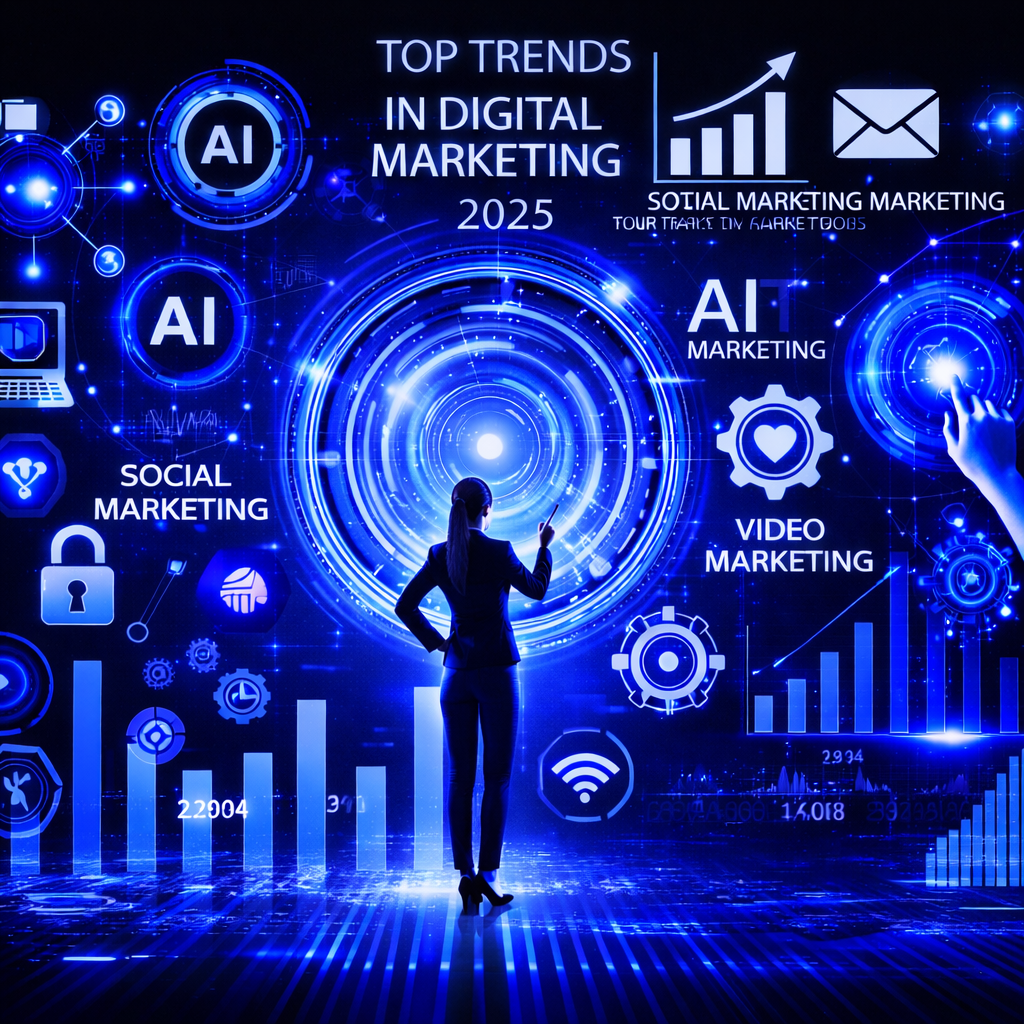
Why Digital Marketing Is the Key to Business Growth in 2026
In today’s world, almost everything happens online. People search on Google before buying a product. They check Instagram before trusting a brand. They read reviews before making decisions. If your business is not visible online, you are missing a huge number of potential customers. This is why digital marketing has become one of the most important tools for business growth in 2026. Digital marketing simply means promoting your business using the internet. It includes websites, search engines, social media, email, and online advertisements. Unlike traditional marketing like newspapers or TV ads, digital marketing allows you to reach the right audience at the right time. Let’s understand why digital marketing is so powerful. 1. Your Customers Are Online Today, billions of people use the internet every day. They spend hours on social media, search for products on Google, and watch videos online. If your business appears where your customers are already spending time, your chances of getting sales increase naturally. Being online is not just an option anymore — it is a necessity. 2. It Is Cost-Effective One of the biggest advantages of digital marketing is that it works for every budget. Whether you are a small startup or a growing company, you can start with a small investment and scale as you grow. Compared to traditional marketing, digital marketing gives better results at a lower cost. You can even track every rupee you spend and see what is working. 3. You Can Target the Right Audience Traditional marketing shows ads to everyone. But digital marketing allows you to target specific people based on: Age Location Interests Online behavior This means your ads are shown only to people who are more likely to buy from you. This increases conversions and reduces wasted money. 4. SEO Brings Long-Term Results Search Engine Optimization (SEO) helps your website appear on search engines when someone looks for services you offer. For example, if someone searches for “best digital marketing agency,” SEO helps your website appear in the results. When your website ranks higher, more people visit your site without paying for ads. SEO takes time, but it builds strong and long-term online visibility. 5. Social Media Builds Trust Social media platforms are powerful tools for connecting with customers. When you post regularly, share useful content, and interact with followers, people start trusting your brand. Trust leads to loyalty. Loyalty leads to repeat customers. Through social media, businesses can show their personality, share success stories, and create a strong brand identity. ranks higher, more people visit your site without paying for ads. SEO takes time, but it builds strong and long-term online visibility. 6. Content Marketing Creates Authority content is one of the most important parts of digital marketing. When you create helpful blog posts, videos, and guides, you educate your audience. When people learn something valuable from you, they see you as an expert in your field. This builds authority and makes customers choose you over competitors. businesses can show their personality, share success stories, and create a strong brand identity. ranks higher, more people visit your site without paying for ads. SEO takes time, but it builds strong and long-term online visibility. 7. Paid Advertising Gives Quick Results If you want fast results, paid ads are a great option. You can run ads on search engines and social media to drive traffic, generate leads, and increase sales quickly. The best part is that you can measure everything — impressions, clicks, conversions, and return on investment. 8. Data Helps You Improve Digital marketing gives you real data. You can see: How many people visited your website Which pages they viewed How long they stayed What made them leave This information helps you improve your strategy and make better decisions 9. Small Businesses Can Compete with Big Brands One of the biggest advantages of digital marketing is that it creates equal opportunities. Even small businesses can compete with large companies if they use the right strategy. With creativity, consistency, and proper targeting, small brands can build a strong online presence and grow quickly.
Hello world!
Welcome to WordPress. This is your first post. Edit or delete it, then start writing!

The Real Reason Your Digital Marketing Isn’t Growing and How to Fix It Fast
Digital marketing has become the backbone of every modern business, yet most brands still treat it like a guessing game. They post whenever they feel like it, run ads without a strategy, and expect customers to magically appear. That’s why so many campaigns fail before they even start. The truth is simple: digital marketing works only when it’s structured. You need a system, not random efforts.A system that understands your audience, speaks their language, and guides them through a clear path—from awareness to interest to action. Think about it.You can write the perfect caption, shoot the best video, or design the cleanest website… but if you’re not reaching the right people, nothing moves. That’s why the smartest marketers focus on three things: 1. Visibility – You need to show up where your audience spends time. Not everywhere… just where it matters.2. Trust – People buy from brands they believe in. Consistent content builds that credibility over time.3. Conversion – Good marketing doesn’t just attract attention; it turns attention into revenue. When you combine these three, magic happens. Your brand starts getting noticed. People engage with your content without being asked. Leads come in daily. And your sales start moving even when you’re offline or asleep. Digital marketing isn’t about chasing every new trend. It’s about building a long-term presence that works for you, not against you.If you approach it with clarity, patience, and smart execution, you’ll always be ahead of the crowd.

Email Marketing Isn’t Dead—You’re Just Doing It Wrong
Digital marketing has become the backbone of every modern business, yet most brands still treat it like a guessing game. They post whenever they feel like it, run ads without a strategy, and expect customers to magically appear. That’s why so many campaigns fail before they even start. The truth is simple: digital marketing works only when it’s structured. You need a system, not random efforts.A system that understands your audience, speaks their language, and guides them through a clear path—from awareness to interest to action. Think about it.You can write the perfect caption, shoot the best video, or design the cleanest website… but if you’re not reaching the right people, nothing moves. That’s why the smartest marketers focus on three things: 1. Visibility – You need to show up where your audience spends time. Not everywhere… just where it matters.2. Trust – People buy from brands they believe in. Consistent content builds that credibility over time.3. Conversion – Good marketing doesn’t just attract attention; it turns attention into revenue. When you combine these three, magic happens. Your brand starts getting noticed. People engage with your content without being asked. Leads come in daily. And your sales start moving even when you’re offline or asleep. Digital marketing isn’t about chasing every new trend. It’s about building a long-term presence that works for you, not against you.If you approach it with clarity, patience, and smart execution, you’ll always be ahead of the crowd.

The Secret Behind High-Converting Landing Pages (No Fancy Tools Needed)
Digital marketing has become the backbone of every modern business, yet most brands still treat it like a guessing game. They post whenever they feel like it, run ads without a strategy, and expect customers to magically appear. That’s why so many campaigns fail before they even start. The truth is simple: digital marketing works only when it’s structured. You need a system, not random efforts.A system that understands your audience, speaks their language, and guides them through a clear path—from awareness to interest to action. Think about it.You can write the perfect caption, shoot the best video, or design the cleanest website… but if you’re not reaching the right people, nothing moves. That’s why the smartest marketers focus on three things: 1. Visibility – You need to show up where your audience spends time. Not everywhere… just where it matters.2. Trust – People buy from brands they believe in. Consistent content builds that credibility over time.3. Conversion – Good marketing doesn’t just attract attention; it turns attention into revenue. When you combine these three, magic happens. Your brand starts getting noticed. People engage with your content without being asked. Leads come in daily. And your sales start moving even when you’re offline or asleep. Digital marketing isn’t about chasing every new trend. It’s about building a long-term presence that works for you, not against you.If you approach it with clarity, patience, and smart execution, you’ll always be ahead of the crowd.